Your hub for transforming theory into practice
Welcome to Theory into Practice Ideas, where you'll discover innovative ways to deliver Leaving Certificate Physical Education. Explore our resources to transform curriculum strands into dynamic, real-life PE lessons that engage and inspire your students.
Teachers visiting this page will find a variety of ready-to-use, practical strategies designed to bring the Leaving Certificate Physical Education (LCPE) curriculum to life. Look up a strand and a lesson, and discover effective ways to deliver this content through a practical, real-life PE lesson.
Practical Tips for LCPE Theory Lessons
-
Link theory to movement whenever possible (demonstrations, drills, or video analysis).
-
Use short activities every 10–15 minutes to maintain engagement.
-
Provide scaffolds such as sentence starters or structured worksheets.
-
Encourage peer discussion and reflection.
-
Use real sporting examples students can relate to.

Skill & technique theory
Conceptual breakdowns for understanding complex movements.
Analytical activities where students assess and provide theoretical feedback to each other.
Theoretical error detection exercises to help students understand self-correction and improvement.
Video analysis for theoretical understanding of techniques.

Physical & psychological demands theory
Theoretical frameworks for fitness circuits and testing protocols for students to monitor progress.
Understanding heart rate and energy system experiments linking theory to practical understanding.
Theoretical aspects of motivation and arousal activities, such as group challenges or reflection exercises.
Goal-setting theories to encourage personal improvement in performance and fitness.

Structures, strategies & conventions theory
Theoretical models for tactical board and small-sided games to teach strategy in a conceptual way.
Make theory lessons engaging and memorable
Our resources are designed to bring LCPE theory lessons to life and keep students actively involved. The result: students are more engaged, motivated, and confident in both theoretical and practical aspects of LCPE.
Universal Design for Learning in Physical Eduction
Teaching theory in the Leaving Certificate Physical Education using Universal Design for Learning (UDL) means designing lessons so that all students can access, engage with, and demonstrate understanding of the content, regardless of ability, learning style, or experience.
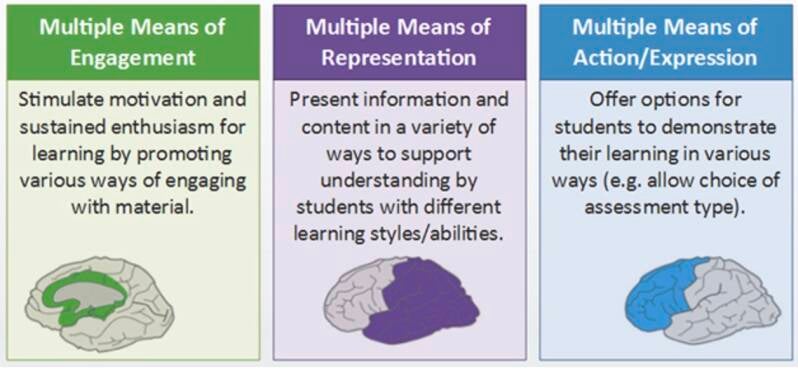
UDL focuses on three key principles: multiple means of engagement, representation, and action & expression.
1. Multiple Means of Engagement
(How you motivate and involve students in the learning)

LCPE theory can become much more engaging when students are actively involved rather than passively listening.
Teaching strategies:
-
Start lessons with theoretical discussions (e.g., discussing a skill before analysing it).
-
Use short video clips of sports performance to introduce topics like biomechanics or tactics.
-
Incorporate pair or group discussion tasks where students analyse performance.
-
Use gamified quizzes or challenges to review concepts.
-
Allow student choice in examples (e.g., analysing a sport they play).
Example:
Teaching feedback in skill acquisition
-
Discuss theoretical models of feedback in a basketball free throw.
-
Students identify theoretical errors in pairs.
-
Discuss how intrinsic and extrinsic feedback could theoretically improve performance.
2. Multiple Means of Representation
(How information is presented to students)

Students learn in different ways, so theory concepts should be explained using varied formats.
Teaching strategies:
-
Combine spoken explanations, diagrams, and theoretical models.
-
Use infographics and visual summaries for complex topics.
-
Break content into small, structured chunks.
-
Use real sport examples to illustrate theory.
-
Provide guided notes or worksheets to support understanding.
Example:
Teaching energy systems
-
Teacher explanation with a diagram.
-
Video showing sprint vs endurance athletes.
-
Practical activity measuring heart rate during exercise.
-
Worksheet summarising aerobic vs anaerobic systems.
3. Multiple Means of Action and Expression
(How students demonstrate their understanding)

UDL encourages students to show learning in different ways, rather than relying only on written answers.
Teaching strategies:
-
Short written reflections or exam-style questions.
-
Skill analysis tasks using observation sheets.
-
Group presentations explaining tactical strategies.
-
Creating diagrams, mind maps, or infographics.
-
Peer teaching where students explain concepts to classmates.
Example:
Teaching tactics and strategy
Students can:
-
Analyse a game scenario on a tactics board.
-
Write an exam-style explanation.
-
Create a tactical diagram showing team positioning.
Result of Using UDL in LCPE
Teaching theory through UDL helps:
-
Increase student engagement
-
Support different learning styles and abilities
-
Improve understanding of complex concepts
-
Strengthen the link between theory and performance
Students become more confident, active learners, which supports success across all strands of the LCPE curriculum.
https://justadaptit.com/blog - Adapted PE Ideas
https://www.youtube.com/watch?v=mVGSZP4TjVY - UDL & PE
https://www.youtube.com/watch?v=0EAvRn6VuJA - NZ Perspective
https://www.youtube.com/watch?v=gmGgplQkrVw -Universal Design for Learning Explained